
Music
How to set up background music for outdoor dining areas
How to create a soundscape outside the four walls of your venue and boost your bottom line.

26 February 2026
The following guide will help you establish a small and accessible performance space in your business premises, provide some basic industry know-how, and outline strategies for connecting with your local music industry community.
The easiest and most cost-effective presentation of live music can be implemented with small-scale performances. This is defined as small scale musical performances consisting of:
1. Soloists, duos or small trios
2. Little or no tech/production requirements or entirely acoustic/unplugged
3. No stage building required
4. Activity that does not create excessive sound pollution
5. Activity that does not interrupt your usual conduct of business
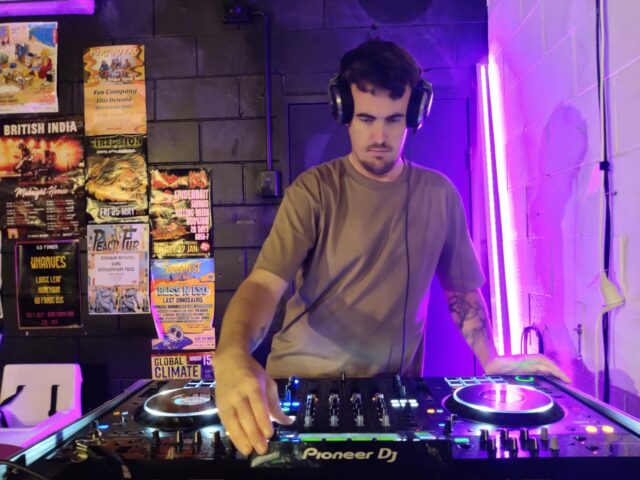
It comes down to actively supporting the incredible talent we have in Australia and as an Australian small business providing them with a platform to share their art. We all need to work alongside each other to provide an experience customers return to.
- Caffeine Kings, Miami QLD.
1. Red-tape Reduction
If you are clearing away your entire business space to host a music performance, you will most likely need to go through your local council’s DA approval process first, which can be costly and time-consuming. Allocating a small portion of your premises while still being able to run your usual order of business avoids this process. The performance area should fit into an appropriate space within your business premises without impacting your usual order of business or that of any surrounding businesses.
2. Sound Management
Sticking to mostly acoustic programming or acts that only use small PA equipment will help manage excessive sound and avoid coming into conflict with neighbouring businesses and/or residents. Excessive noise can have a negative impact on the amenity of your surrounding neighbourhood. Noise pollution is regulated through many overlapping state laws that can often be confusing to navigate through.
3. Cost Effective
Small acts of soloists, duos or trios are more likely to suit your budget limits as a small business and will be logistically easier to organise. Every member of a band is paid for their time and skill, so the more members in the band, the more expensive and logistically demanding it will be for you to manage.
1. Invest in basic equipment:
The first step to setting up your space for live performance is to invest in some basic, relatively affordable equipment, also known as Backline, which might include:
It is important to discuss with the musician what equipment they will be providing and what you can provide, including the size of the space and number of power points. In some instances, there may be government funding available to assist in the initial backline costs, so research funding opportunities. Refer to the Links and Resources at the bottom of this page.
2. Licensing
Why do you need a licence to host live music? Firstly, it shows that your business respects and supports songwriters and recording artists - creators of Australian culture. Secondly, if you use music that is protected by copyright within your business, Commonwealth legislation requires permission (a licence) from the creators of that music. And last but not least - you benefit by using music: keeping your patrons and staff entertained, engaged and creating a better atmosphere, reputation and customer experience.
3. Insurance
Your current insurance may already cover hosting small-scale performances of live music, however you should discuss with your insurance provider what sort of public liability insurance might be required when hosting live music within your business.
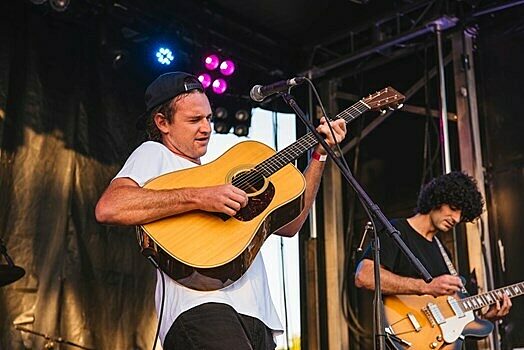
Take chances with cold calls from artists - some of our best performances have been from those we hadn’t worked with before or heard of yet. Researching other live music venues and artists playing, as well as attending other live music venues is a great way to see how your local community is experiencing and enjoying live music outside of your venue. It helps to ensure you don’t just offer the same thing time and time again and helps with ideas to cater to a broad range of entertainment
-Darwin Ski Club, NT
Some things to consider:
1. Paying musicians
You should only ever pay musicians with money. Free meals, coupons, “exposure” opportunities or other free goods and services are not acceptable forms of remuneration for the musician’s time and skill. Just like you, musicians are running a small business and should be paid accordingly. When considering how to pay your musicians, there are two options through audience attendance: Free entry or ticketed entry or a combination of both. You can decide which option you would like to use but in either case, the musician must be paid.
Most common types of payment deals:
1. A guarantee: You pay an agreed fee to the musician for the performance. The musician should invoice you after the performance. This is the most common type of payment deal in live music and the option most suitable for your set up. The music industry’s standard minimum payment is $150 per musician, per 45-minute set.
2. A door deal: Audiences must buy a ticket to attend the performance. You sell the tickets in advance, and on the door at the time of the performance, and you agree to pay the artist a percentage of the ticket sales for the show.
3. A versus deal: Audience members can pay at the door to attend the performance. You pay a guaranteed fee to the artist plus a percentage of the door sales once a certain amount has been reached.
2. DIY Booking - How to find musicians
When finding and booking musicians, you want to ask for the following basic information about the musician:
There are several strategies and resources you can use to find and program musicians in your local area.
Local peak Music Organisations
Each state and territory has a peak contemporary music organisation, known collectively as AMIN – Australian Music Industry Network.
Social Media
Check social media to see if there are any local community groups promoting local musicians in your area, as well as the social media pages of individual musicians if you want to contact them directly. You can also post a call out for local musicians on your social media page.
Community groups, churches and education institutions
Reach out to community groups such as choirs, town bands, church groups, high schools, conservatoriums, and local TAFE to ask if any of their members or students are looking for individual performance opportunities.
Local industry professionals
Other businesses and live music venues may have people employed who book bands for the business.
Council
Contact your council and ask if they have a database of local musicians that you can access.
Local resources
Consider getting in touch with your local Council to assist in promoting your performance program through their channels. Your local community radio station may also be of assistance in promoting your program. Get in touch with them to discuss potential costs for radio ads or promotional plugs.
Printed media
Simple posters, flyers and postcards are an effective form of printed promotional material. Ask fellow businesses if they can display some of them in their shop fronts. Contact your local newspaper and ask about including a short promotional piece in their publications. Find out about any other local magazines or newsletters that may be able to promote your program to their audiences.
Digital
Digital media includes social media and websites. It is helpful to provide:
• A short paragraph describing the event and including important information
• An accompanying image, most likely the same image you use for printed media
You can create your own dedicated social media page to your music program and reach out to any community run social media pages to promote your program.
National organisations
Australian Music Industry Network
Useful guides and documents
State Arts Funding Organisations Victoria
Share
Music
How to create a soundscape outside the four walls of your venue and boost your bottom line.

Music
Wondering if you can play Spotify in your business legally? Learn the legal considerations and requirements to avoid fines and keep compliant.
Fitness
Did you know that if you play music that is protected by copyright in your business, (whether you’re a bar, restaurant, retailer or fitness studio) without a licence or permission you risk infringing the copyright?

Retail
A conversation with QSIC’s Music Curator Nikki Wishart on the power of in-store audio.

Music
Find out the truth behind common music licensing myths in Australia. Learn how OneMusic works, what a music licence covers, and why your business may need one.

Hospitality
With its power to influence emotion, memory, and even behaviour, it’s no secret that music has a deeply profound impact on the human brain. More than just background noise, music is the secret weapon hospitality venues deploy to enhance the customer dining experience, boost mood, evoke nostalgia, complement the flavours of food and drink, and more. Whether they realise it or not, hospitality venues are utilising music’s mind-altering powers to build a deeper connection with customers - an effect which is firmly rooted in neuroscience.