 Presto! Music tips for retail
 Megan Park on in-store music and brand identity
 A guide to festive music in retail
 How to get customers to spend more with music
 Guift Guide Magazine: The Sound of Music with Greg Natale
 Retail Biz: Giving music a whole new spin
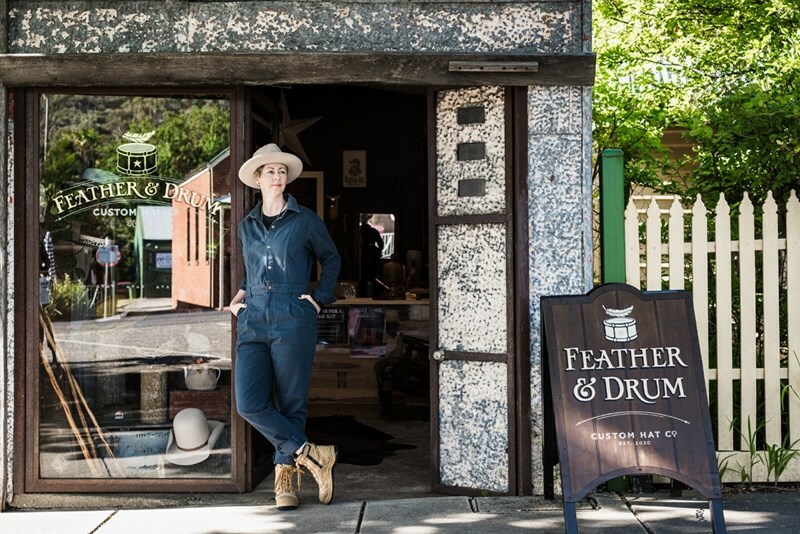 Outback Magazine: Cat in the hats

20 January 2025
A retailer such as a fashion boutique, footwear, or accessories store playing music is likely to need a music licence.
If you are playing music in your store, it is highly likely you need a 'public performance' music licence. Almost all popular music heard on TV, radio and streaming services is protected by copyright law. This applies to businesses who plays music, no matter the industry.
The media, entertainment, hospitality, retail, and fitness industries are just a few examples of sectors that rely heavily on music to create atmosphere, increase customer satisfaction, and positively influence customer experience.
However, not all businesses understand that the ‘public performance’ of music is also protected by copyright, which means that businesses need to get permission from the owner of the copyright in the music before they play that music in their business.
OneMusic is authorised to issue ‘public performance’ music licences on behalf of copyright owners for the vast majority of commercial music from around the world.
No -subscribing to a streaming service (paid or free) or even just turning on the radio doesn’t automatically give you the legal right to play that music in your business.
Firstly, the most popular streaming services that most of us use every day are only for our personal use (take a look at your music streaming service’s Terms of Use to see this in play).
More importantly, to play music that is protected by copyright ‘in public’ (that is, in your business), you need to get permission from the owners of that music copyright.
When your business has a OneMusic licence, you have the right to play the vast majority of popular and well-recognised music from around the world.
Copyright laws in Australia exist to protect the rights of copyright owners - to ensure their creative works are appropriately protected and valued. This is the same for music and music creators and thanks to the various industries that rely on music as an important part of their businesses, music licensing provides music creators with a steady stream of revenue so they can continue their creative work. These are referred to as royalties.
The money from music licence fees go to music creators. OneMusic keeps track of the music being played in a huge database drawn from radio and television stations, performance reports, streaming services, music recognition technology like Audoo and data from background music suppliers.
Background music for retail spaces is based on both the size of your floor space, where music can be heard and what device you're using to play the music. Read our fee methodology guide to get an idea of what your licence will cost.
What happens if a business doesn’t pay for a music licence? Playing music that is protected by copyright in a business without permission may be an infringement of copyright, which may lead to legal action and significant costs.
A court proceeding can result in your business having to pay, not only the licence fees that would have applied, but additional costs such as ‘damages’ and legal fees.
No - OneMusic is a genuine music licensing organisation that has issued hundreds of thousands of ‘public performance’ music licences to businesses, individuals and organisations throughout Australia since 2019.
You can easily confirm OneMusic’s legitimacy by checking with various official websites, such as The Australian Business Licence and Information Service and the Australian Copyright Council.
The performing right organisations behind OneMusic have been licensing the use of music for almost 100 years. Launched in 2019, OneMusic is a joint initiative of APRA AMCOS and PPCA. In an effort to simplify the licensing process for customers, they created one licence to cover music use by songwriters, publishers, recording artists, record labels and composers.
“Music helps White Lily Couture create an atmosphere. As a bridal store emotion is an essential part of the experience. We have recently implemented playlists specific for the “Yes to the dress” moment when the bride has found the gown for her.” Quinton Evans, White Lily Couture, Brisbane.

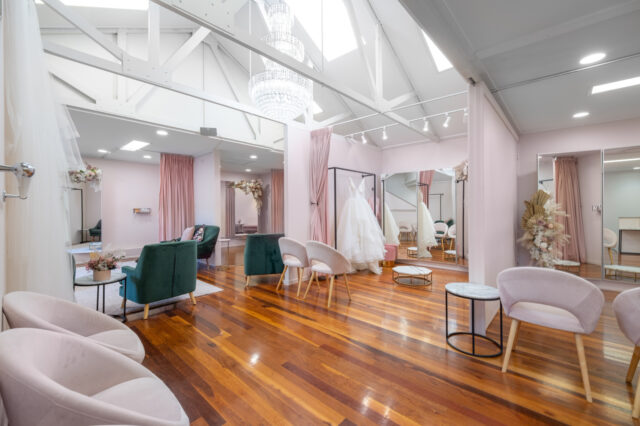


“I believe in the rights of any creator to be paid fairly and I do believe we all should help trying to improve that. Purity, functionality and raw beauty are considered the ultimate luxury and impacts every aspect of life. After all, there is a right and a wrong way of doing things.” - Mats Ekstrom, Swensk, Designer clothing retailer, Melbourne
Have a query? We’re here to help.
Share