A dance school, studio or performance instructor playing music is likely to need a licence.
If you are playing music, it is highly likely you need a music licence. Permission to play music protected by copyright is a legal requirement in a business/commercial setting.
You can get permission by purchasing a blanket licence from OneMusic, giving you legal access to the majority of popular music worldwide.
Alternatively, you can:
No - subscribing to a streaming service (paid or free) or even just turning on the radio doesn’t automatically give you the legal right to play that music in your business.
Firstly, the most popular streaming services that most of us use every day are only for our personal use (take a look at your music streaming service’s Terms of Use to see this in play).
More importantly, to play music that is protected by copyright ‘in public’ (that is, in your business), you need to get permission from the owners of that music copyright.
When your business has a OneMusic licence, you have the right to play the vast majority of popular and well-recognised music from around the world.
‘Royalties’ are what is paid to music creators when their copyright-protected music is used, particularly by other people. For instance, by radio stations, on TV or when played ‘in public’ by a business.
OneMusic keeps track of the music being played in a huge database that has been collected from music users across Australia, including from radio stations, TV broadcasts, music streaming services and live performances.
OneMusic then pays APRA AMCOS and PPCA the licence fees it collects so that they can pay ‘royalties’ to help music creators continue their work.
Our licensing scheme for dance instructors and schools is based on both the size of your dance classes where music is used and what devices you're using to play the music. Find out more in the licensing guide.
What happens if a business doesn’t pay for a music licence? Playing music that is protected by copyright in a business without permission may be an infringement of copyright, which may lead to legal action and significant costs.
A court proceeding can result in your business having to pay, not only the licence fees that would have applied, but additional costs such as ‘damages’ and legal fees.
OneMusic is a genuine music licensing organisation that has issued hundreds of thousands of ‘public performance’ music licences to businesses, individuals and organisations throughout Australia since 2019.
You can easily confirm OneMusic’s legitimacy by checking with various official websites, such as The Australian Business Licence and Information Service and the Australian Copyright Council.
The performing right organisations behind OneMusic have been licensing the use of music for almost 100 years. Launched in 2019, OneMusic is a joint initiative of APRA AMCOS and PPCA. In an effort to simplify the licensing process for customers, they created one licence to cover music use by songwriters, publishers, recording artists, record labels and composers.
Personal/non-commercial use of music in social media videos is covered under our agreements with the social media platforms. Please refer to the music-use policy of the social platform in question for more information.
Non personal/commercial use of music in a social media or YouTube video will require direct permission from the rights holders of the songs in question. These are separate to the rights provided via a OneMusic licence. Please see our guide on synchronisation rights.
In late 2023, Dance schools were encouraged to have their say on a proposed change in the dance licence scheme.
Over the 14-week consultation period, 43 submissions were received, the vast majority in support of these proposed changes.
We confirm that the Dance and Performance Instructors and Dance Schools licence will be revised to reflect all proposed changes. The revised licence will be available to all eligible licensees for licensing periods commencing on or after 1 October 2024.
A summary of the changes are:
Read the final consultation (PDF)
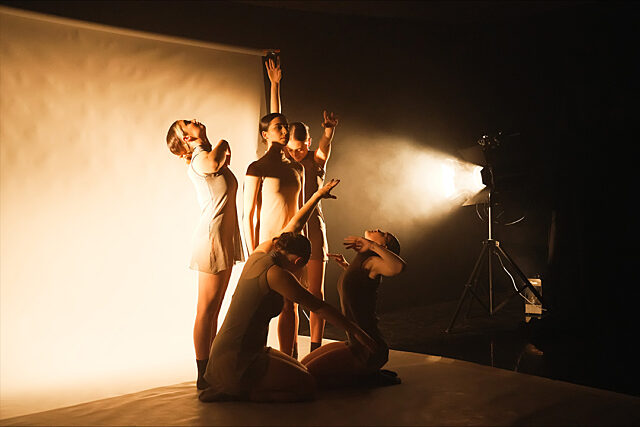
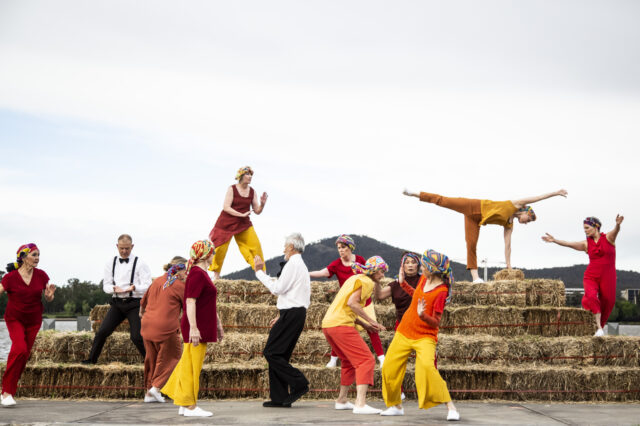
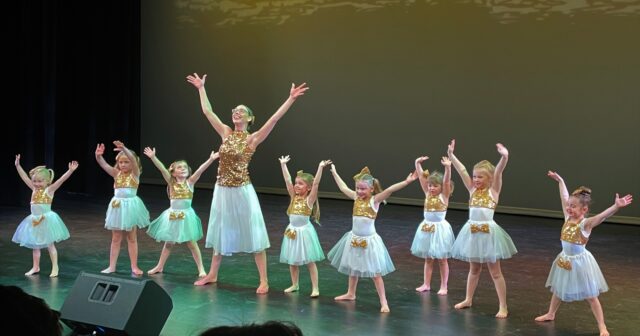
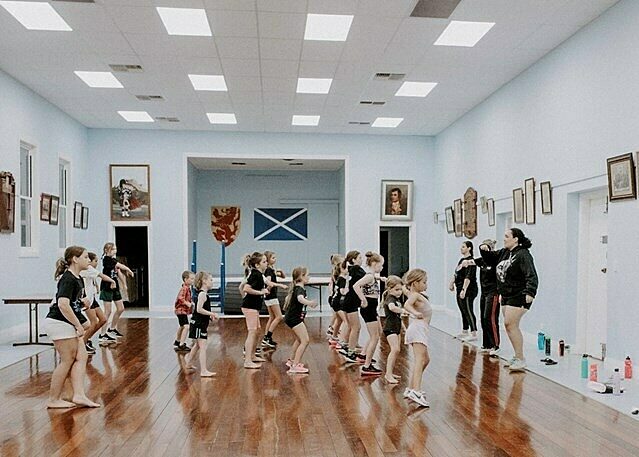
“We believe in the One Music motto that musicians play such a huge part in our businesses success, that it is important that we as Dance Studios play a part in theirs.” - MT Dance Studio, Kalgoorlie, WA
This Dance and Performance Instructors and Dance Schools licence scheme is designed for our music used in a dance school or when tutoring clients in dance, acting or performance. You may teach line dancing, ballet, square dancing, jazz, hip hop, drama, theatre jazz, lyrical, belly dancing, latin, ballroom or folk right through to acro, aerial silks, acting and voice performance training. Our music used in classes, lessons, rehearsals, dance events and concerts, recitals and performances are all part of this licence scheme. Learn more about how the licence fee for this scheme was set.
This scheme excludes Zumba classes which are covered in the Fitness Centre and Fitness and Wellbeing Instructors scheme.
Download your licence agreement (PDF 145kb)
Have a query? We’re here to help.

 MadeBy Initiative with Royal Academy of Dance Australia
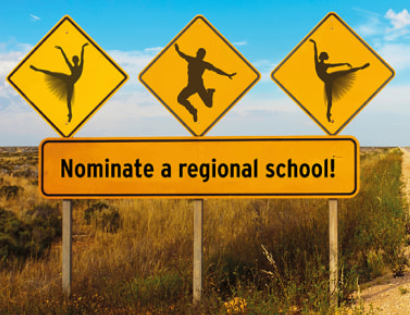 Proud sponsor of Dance Australia's Regional Heroes
 Ausdance: Copyright for the dance industry
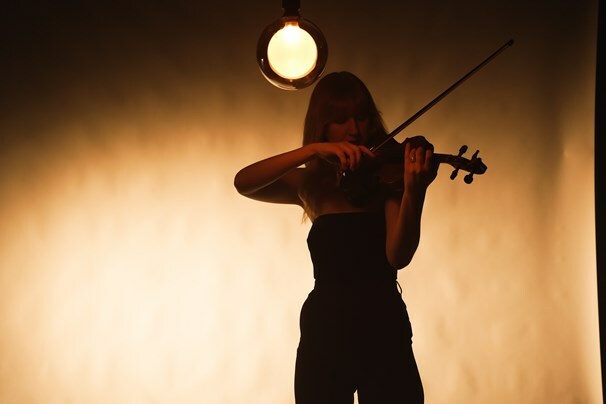 Dancelife: MadeBy winner announced
 Dance Australia: Music licensing simplified
 Dance Australia: Dance school music licences improved